3DPS logo
3DPS Europe
Service and development
News

News / article

Technology
← Back to news Back to homepage
Custom firmware for the Anycubic Kobra 3 toolhead: keeping the original RS-232 link
2026. 09. 19.
683

Custom firmware for the Anycubic Kobra 3 toolhead: keeping the original RS-232 link

2 min read

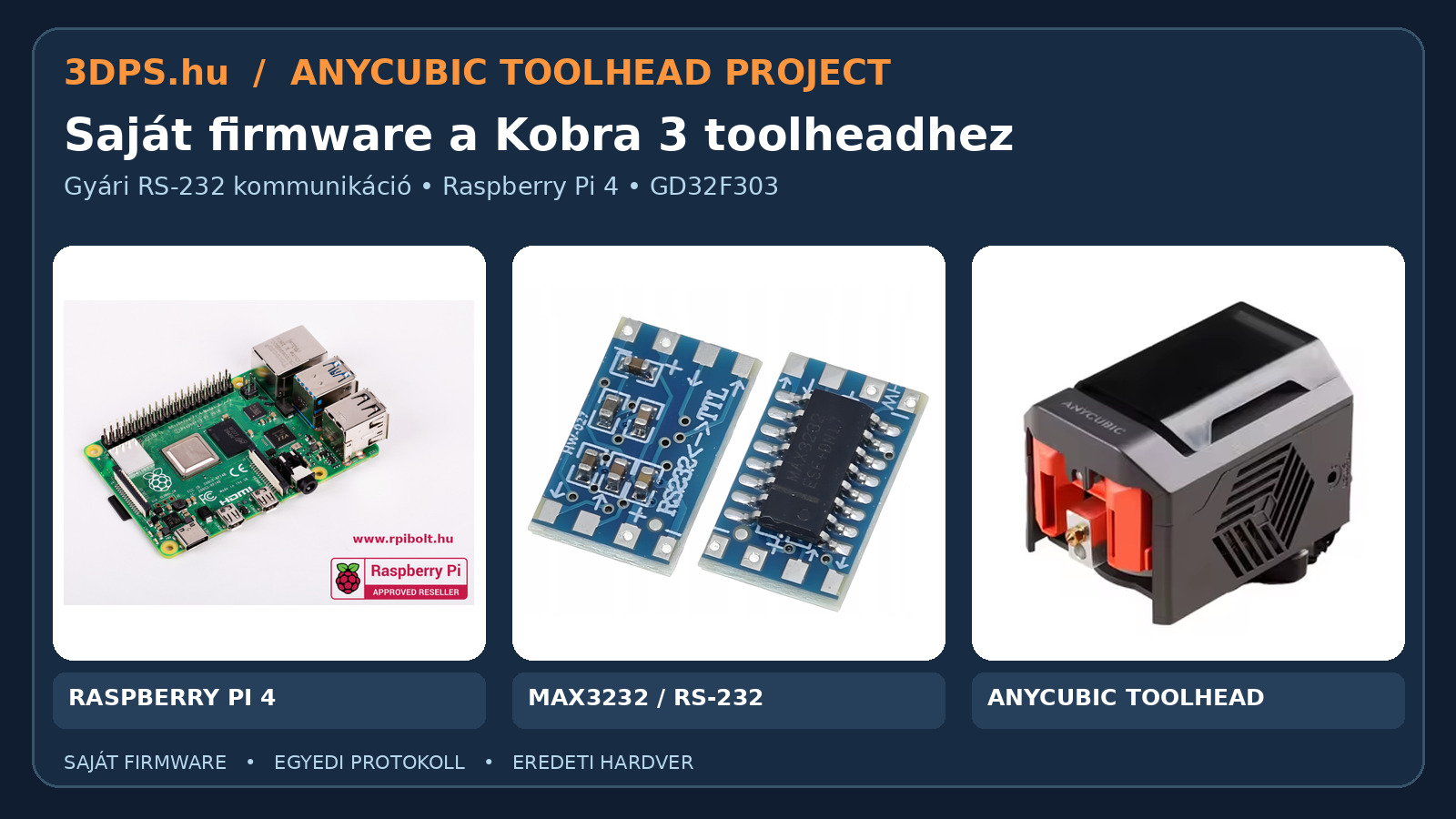
We are developing custom firmware and a communication protocol for the original GD32F303 toolhead. Our first milestone is a safe, bidirectional UART link with a Raspberry Pi 4.

Our Anycubic Kobra 3 toolhead reverse-engineering project is entering a new phase: we are designing custom firmware and a custom communication protocol for the original GD32F303CBT6 microcontroller. The goal is to retain the original connectors and RS-232 hardware while controlling the toolhead with our own software.

Why keep the original communication path?

The original toolhead communication path includes an RS-232 transceiver. Earlier investigation suggests that the MCU UART on PA9 and PA10 may provide the link. This would avoid soldering a separate USB data cable to the MCU in the final design. The original Type-C connector must not be treated as a standard USB data port in this configuration.

First step: standalone UART diagnostics

The planned first firmware version would use the GD32F303 USART0 peripheral (PA9 TX, PA10 RX) at 115200 baud, 8N1, and accept simple PING, INFO and STATUS diagnostic commands. These are intended only for the initial link test; the final protocol is planned to use versioned binary frames with integrity checks.

Raspberry Pi 4 as the development host

The Raspberry Pi 4 GPIO UART would provide the host-side interface. A separate 3.3 V-compatible MAX3232/SP3232 transceiver is needed to connect to the original RS-232 line. As that component is not yet available, we plan an initial direct 3.3 V UART test, but only after safely isolating the original RS-232 receiver output and verifying logic levels. Raspberry Pi UART pins must never be connected directly to RS-232 voltage-level signals.

Current progress

We previously established SWD access to the microcontroller, flashed experimental firmware and verified the flash contents by readback. This confirms programming access, not complete peripheral functionality. An initial diagnostic source-code draft for the custom firmware exists, but the full build, flash and bidirectional UART test are still pending.

Safety and next milestone

The heater, extruder motor and fans will remain inactive during initial communication tests. The next milestone is reliable PING/PONG communication, followed by mapping the peripheral pins and individually testing motor, heater and sensor control with appropriate safeguards. Future Klipper integration would require a separate host-side adapter and precise motion timing.
Related articles
Commodore 64 Ultimate Returns: A Retro Legend, Not a 3D-Printed One
2026. 10. 01.
992

Commodore 64 Ultimate Returns: A Retro Legend, Not a 3D-Printed One

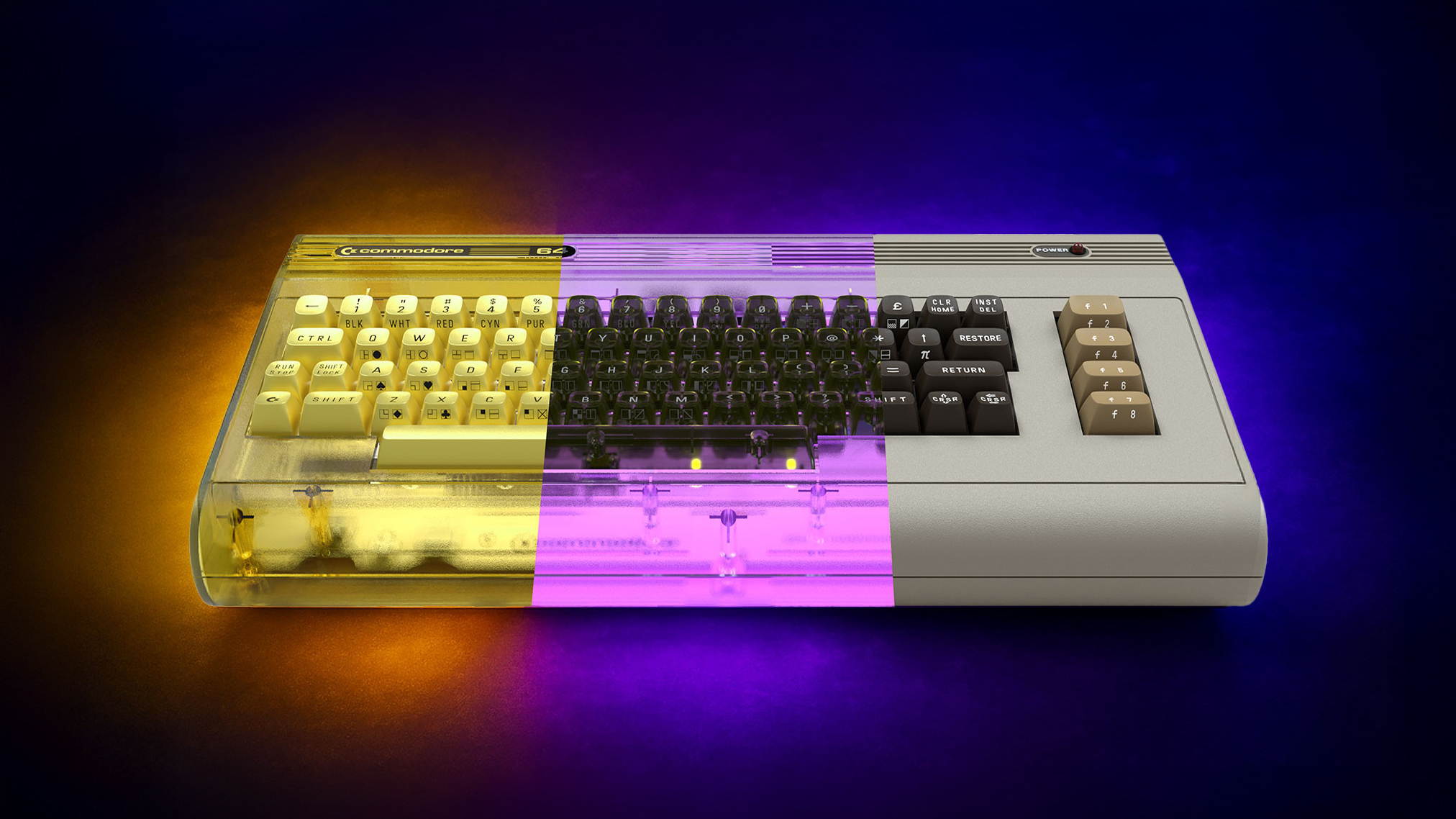
Commodore.net has officially relaunched its legendary home computer as the Commodore 64 Ultimate, rebuilding the classic machine on modern FPGA hardware. We cover it here as a curiosity: it has no direct 3D printing angle, since the case is produced with classic injection molding using the original 1986 tooling, not 3D printing.

Lead-Filled Ender 3: Building the World's Fastest Ender 3
2026. 09. 17.
554

Lead-Filled Ender 3: Building the World's Fastest Ender 3

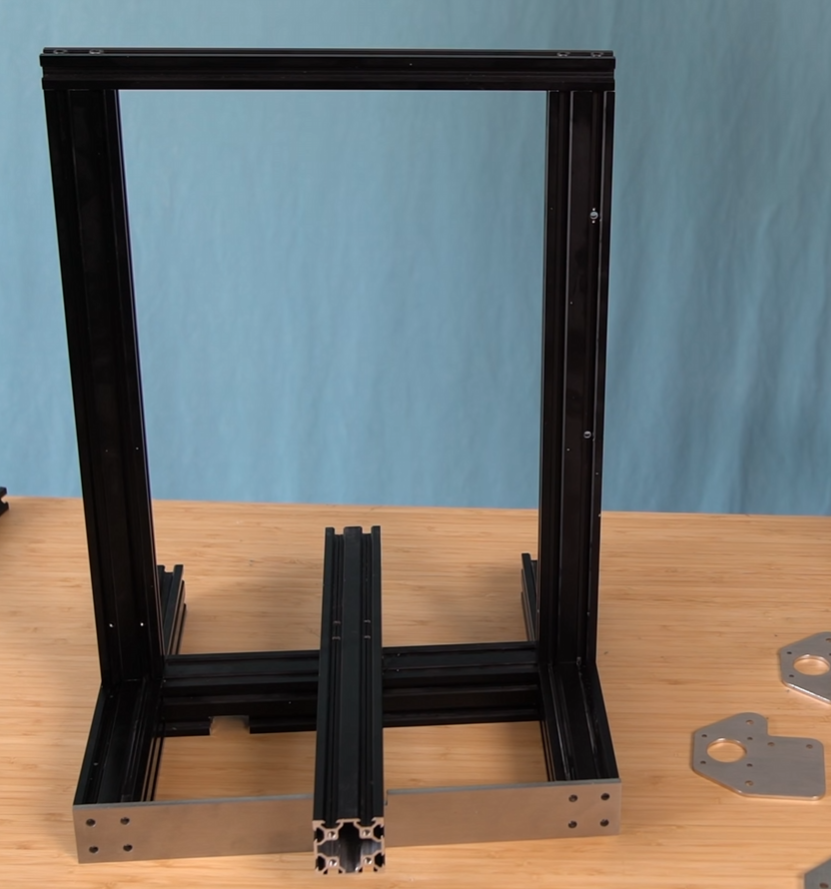
In Part 2 of the project, the Ender 3 keeps the same external dimensions and build volume. Its hollow aluminum frame extrusions are filled with about 4.5 kg (10 lb) of lead and reinforced to improve stability for extreme-speed printing.

Archive

Earlier news

63 earlier article(s)
LLNL: AI detects defects during 3D printing
2026. 10. 01.
Software / AI
549

LLNL: AI detects defects during 3D printing

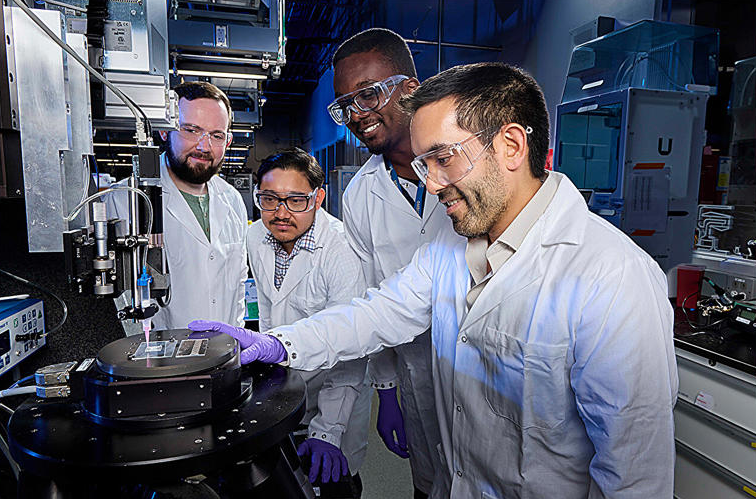
Lawrence Livermore National Laboratory is using camera-based AI inspection to analyze direct ink writing layer by layer and detect defects during the build.

Flashforge CJ270: Full-Color Material Jetting in a Desktop-Sized System
2026. 09. 28.
New printers
1 300

Flashforge CJ270: Full-Color Material Jetting in a Desktop-Sized System

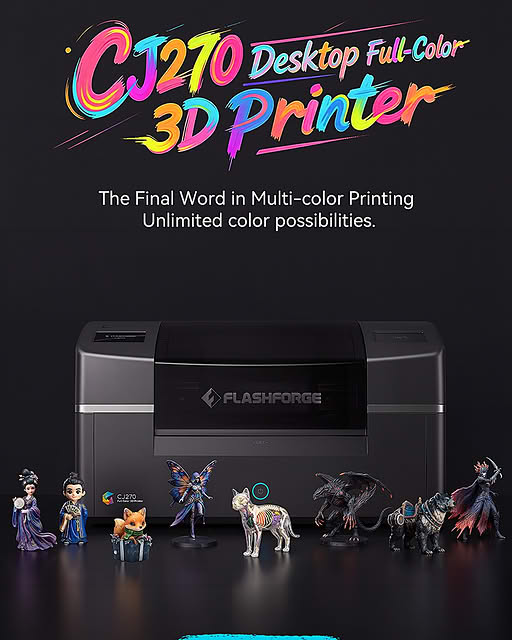
Flashforge is positioning the CJ270 as a compact desktop 3D printer designed for high-resolution color printing. According to the manufacturer, the system supports more than 10 million colors and offers a minimum layer thickness of 7 μm. Flashforge is also promoting an additional €450 early-bird benefit for early customers.

Bambu Lab: construction advances on a planned 3-million-printer Shenzhen hub
2026. 09. 28.
IP / legal news
583

Bambu Lab: construction advances on a planned 3-million-printer Shenzhen hub

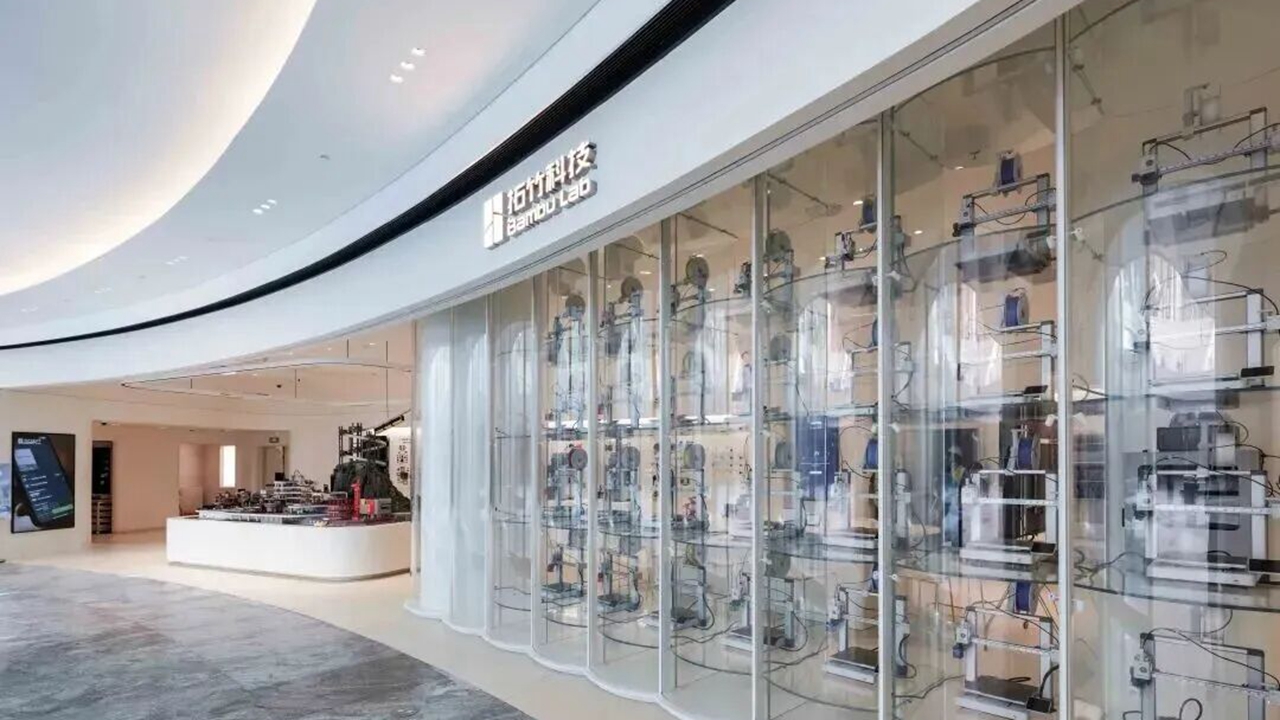
Bambu Lab is taking a major step toward building one of the world's largest 3D printer manufacturing bases. Its planned “3D Printing Intelligent Manufacturing Headquarters Base” in Shenzhen's Guangming District has moved into site-preparation and construction-access work. The complex is designed for an annual capacity of more than 3 million 3D printers and will combine manufacturing with research and development, component production and materials-related activities.