3DPS logo
3DPS Europe
Service and development
News

News / article

New materials
← Back to news Back to homepage
Tesseract: linear motors could replace belt drives in 3D printers
2026. 10. 01.
502

Tesseract: linear motors could replace belt drives in 3D printers

1 min read

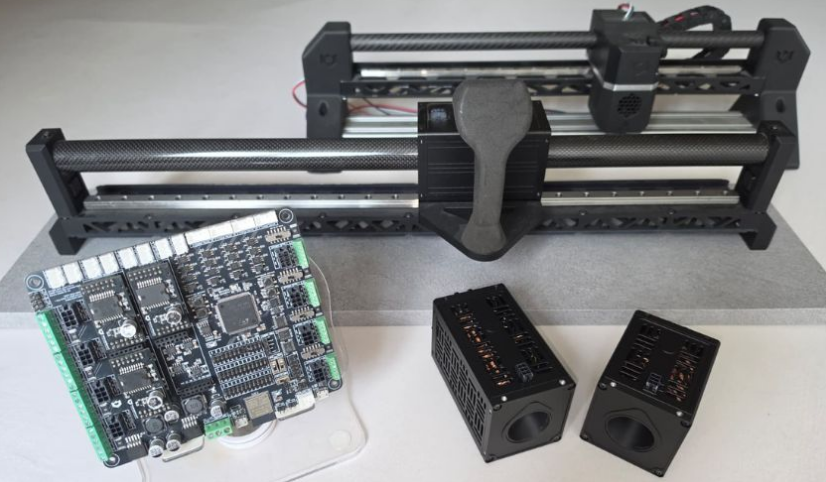
Dutch startup Tesseract Technologies is developing a linear-motor and closed-loop control system, with a commercial launch planned for Q1 2027.

Belts and pulleys are simple and affordable motion systems for 3D printers, but stiffness and long-term positional accuracy can become limiting factors. Dutch startup Tesseract Technologies is developing a linear-motor alternative.

The technology is already running on machines such as the FELIX Pro XXL. Tesseract is building the hardware and firmware around closed-loop control and plans a commercial launch in Q1 2027.

The company claims a two-to-five-times cost advantage versus comparable systems; that figure should be treated as a manufacturer claim pending broader industrial validation.

Source

Original source

Cover: 3DPS editorial illustration.
Related articles
Archive

Earlier news

63 earlier article(s)
Flashforge CJ270: Full-Color Material Jetting in a Desktop-Sized System
2026. 09. 28.
New printers
1 300

Flashforge CJ270: Full-Color Material Jetting in a Desktop-Sized System

Flashforge is positioning the CJ270 as a compact desktop 3D printer designed for high-resolution color printing. According to the manufacturer, the system supports more than 10 million colors and offers a minimum layer thickness of 7 μm. Flashforge is also promoting an additional €450 early-bird benefit for early customers.

Bambu Lab: construction advances on a planned 3-million-printer Shenzhen hub
2026. 09. 28.
IP / legal news
581

Bambu Lab: construction advances on a planned 3-million-printer Shenzhen hub

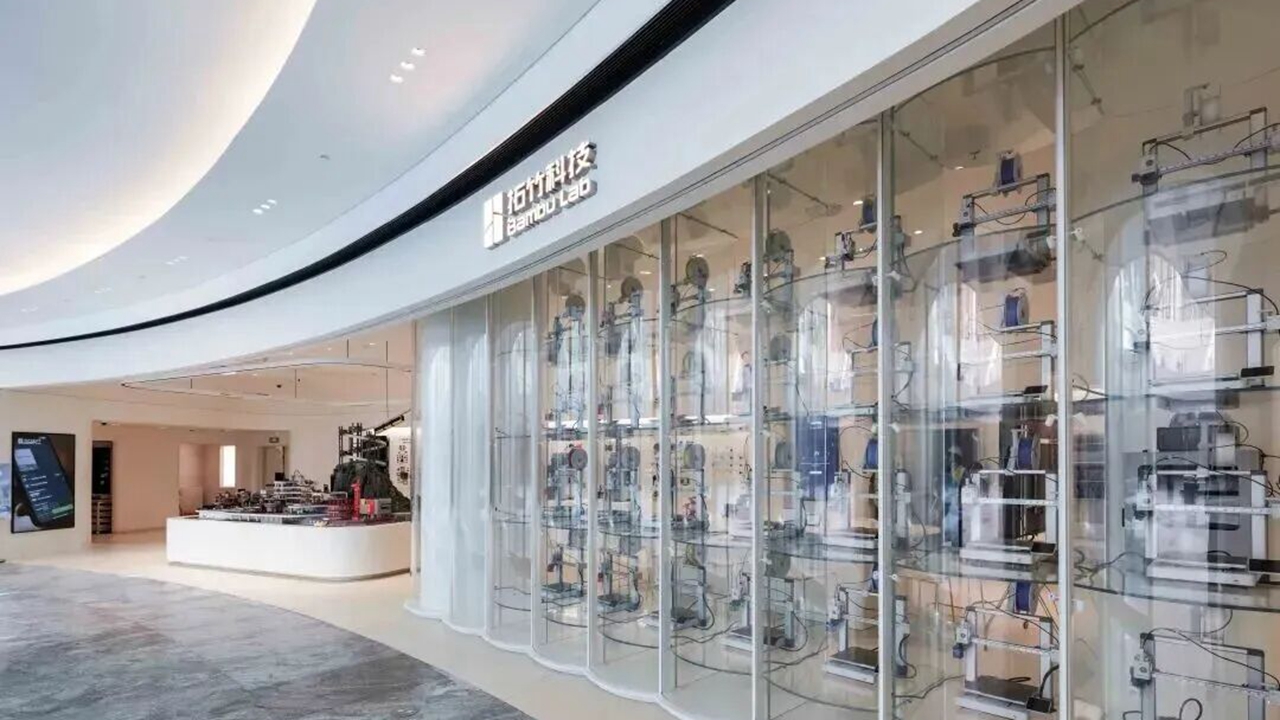
Bambu Lab is taking a major step toward building one of the world's largest 3D printer manufacturing bases. Its planned “3D Printing Intelligent Manufacturing Headquarters Base” in Shenzhen's Guangming District has moved into site-preparation and construction-access work. The complex is designed for an annual capacity of more than 3 million 3D printers and will combine manufacturing with research and development, component production and materials-related activities.