3DPS logo
3DPS Europe
Service and development
News

News / article

New tools
← Back to news Back to homepage
Prusa HT Hotend: 400 °C Printing and New PPS/PPA Filaments
2026. 10. 25.
238

Prusa HT Hotend: 400 °C Printing and New PPS/PPA Filaments

1 min read

Prusa detailed its 400 °C HT Hotend, HighTemp build sheets and three engineering filaments on October 21. A hotter nozzle alone does not make a desktop printer a PEEK-capable industrial system.

A system, not just a heater

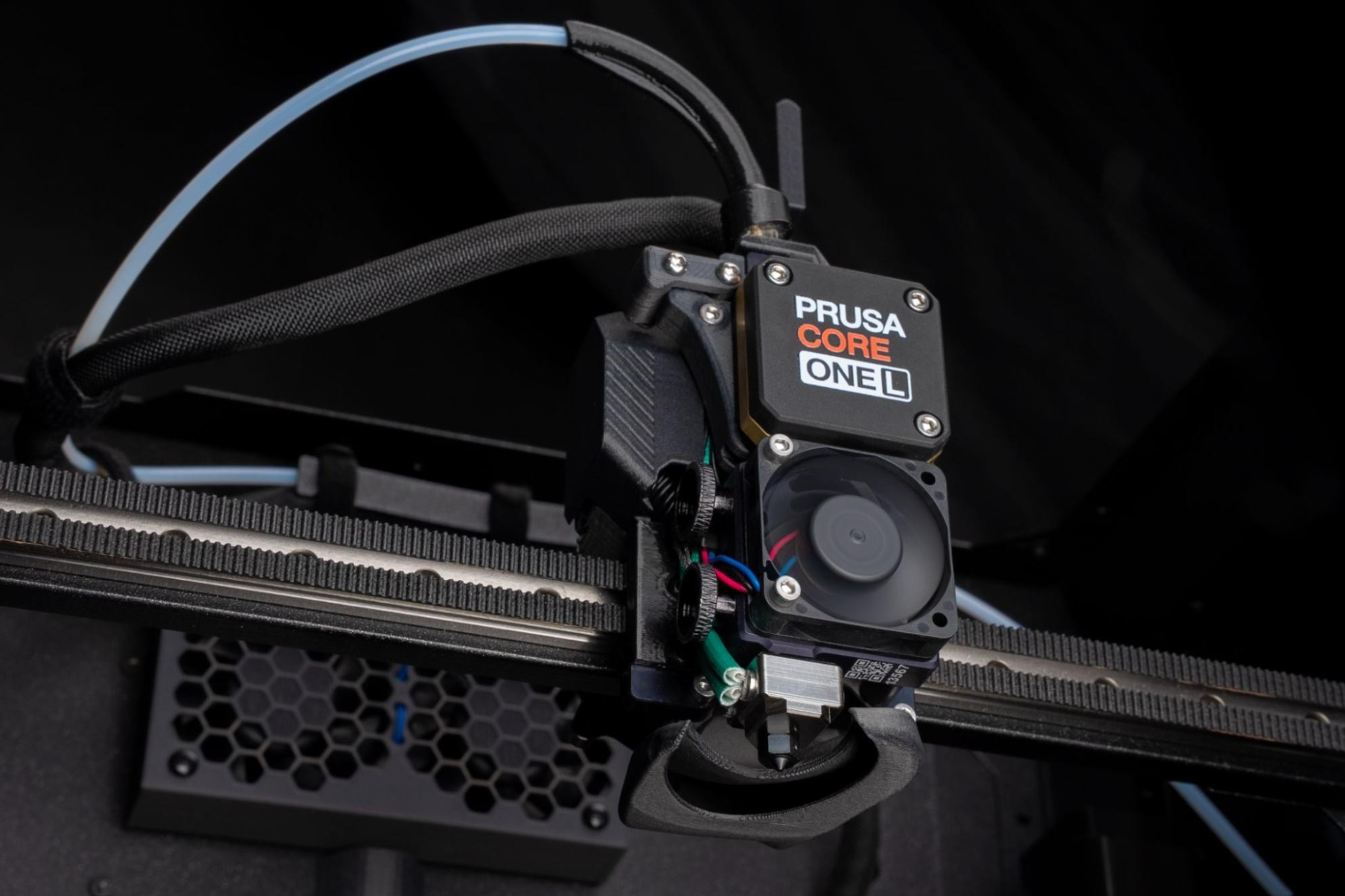
Prusa’s October 21 announcement detailed a quick-change HT Hotend capable of up to 400 °C on supported CORE One printers. HighTemp print sheets and validated material profiles accompany the upgrade, which is available separately or factory-installed in selected configurations.

Three engineering filaments

The new materials include PPS-CF, PPS-GF and PPA-CF Core. Moisture management, bed adhesion, warping and emissions remain as important as the nominal nozzle temperature. A 400 °C heater without an appropriate surface and tuned profile does not guarantee usable engineering parts.

Compatibility and limits

Prusa’s knowledge base lists the CORE One, CORE One+, CORE One+ Gen 2, CORE One L and CORE One L+ with specified compatible nozzles. The HT Hotend does not support MMU or INDX. Because chamber temperatures remain limited, the upgrade should not be confused with a validated high-temperature PEEK or PEI production machine. Prusa also recommends drying hygroscopic materials and using suitable extraction or filtration.

Sources and further reading

Related articles
Archive

Earlier news

90 earlier article(s)
Commodore 64 Ultimate Returns: A Retro Legend, Not a 3D-Printed One
2026. 10. 01.
Technology
1 684

Commodore 64 Ultimate Returns: A Retro Legend, Not a 3D-Printed One

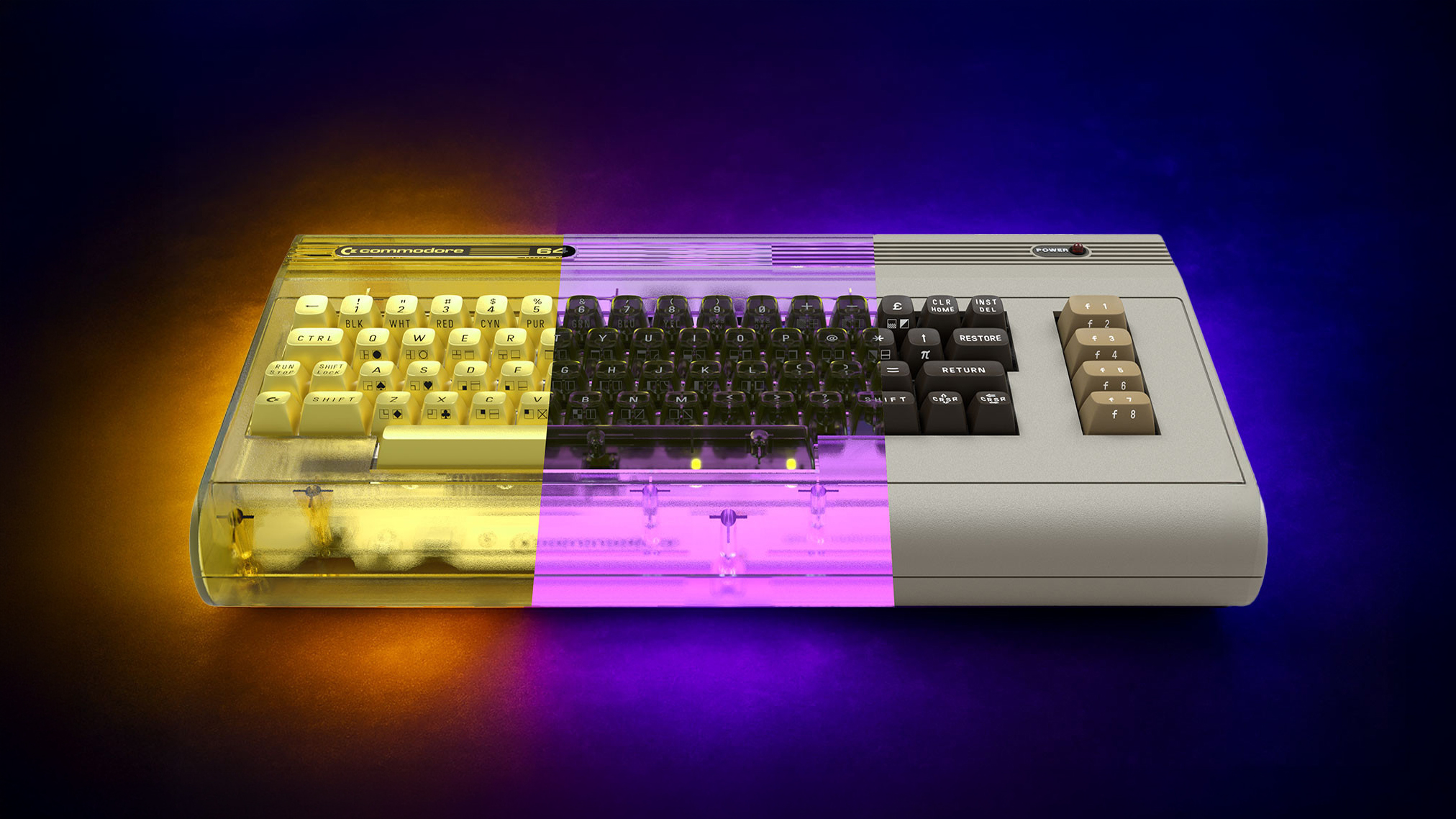
Commodore.net has officially relaunched its legendary home computer as the Commodore 64 Ultimate, rebuilding the classic machine on modern FPGA hardware. We cover it here as a curiosity: it has no direct 3D printing angle, since the case is produced with classic injection molding using the original 1986 tooling, not 3D printing.

LLNL: AI detects defects during 3D printing
2026. 10. 01.
Software / AI
1 097

LLNL: AI detects defects during 3D printing

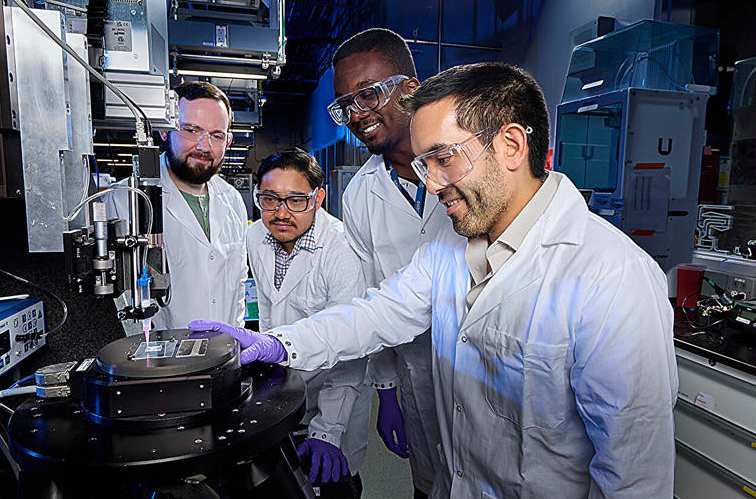
Lawrence Livermore National Laboratory is using camera-based AI inspection to analyze direct ink writing layer by layer and detect defects during the build.

Flashforge CJ270: Full-Color Material Jetting in a Desktop-Sized System
2026. 09. 28.
New printers
1 863

Flashforge CJ270: Full-Color Material Jetting in a Desktop-Sized System

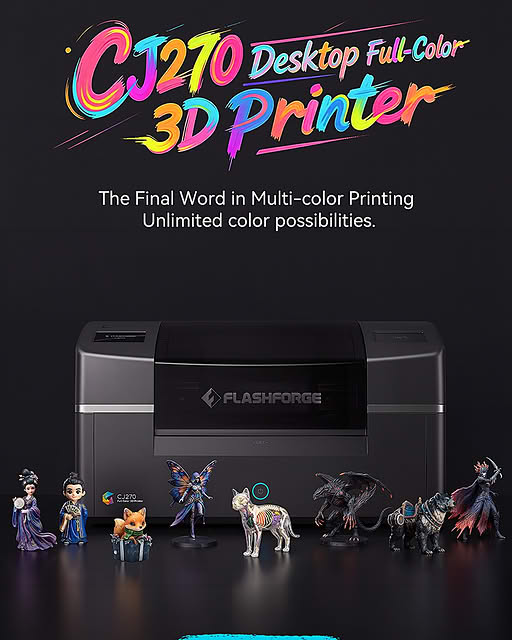
Flashforge is positioning the CJ270 as a compact desktop 3D printer designed for high-resolution color printing. According to the manufacturer, the system supports more than 10 million colors and offers a minimum layer thickness of 7 μm. Flashforge is also promoting an additional €450 early-bird benefit for early customers.

Bambu Lab: construction advances on a planned 3-million-printer Shenzhen hub
2026. 09. 28.
IP / legal news
1 258

Bambu Lab: construction advances on a planned 3-million-printer Shenzhen hub

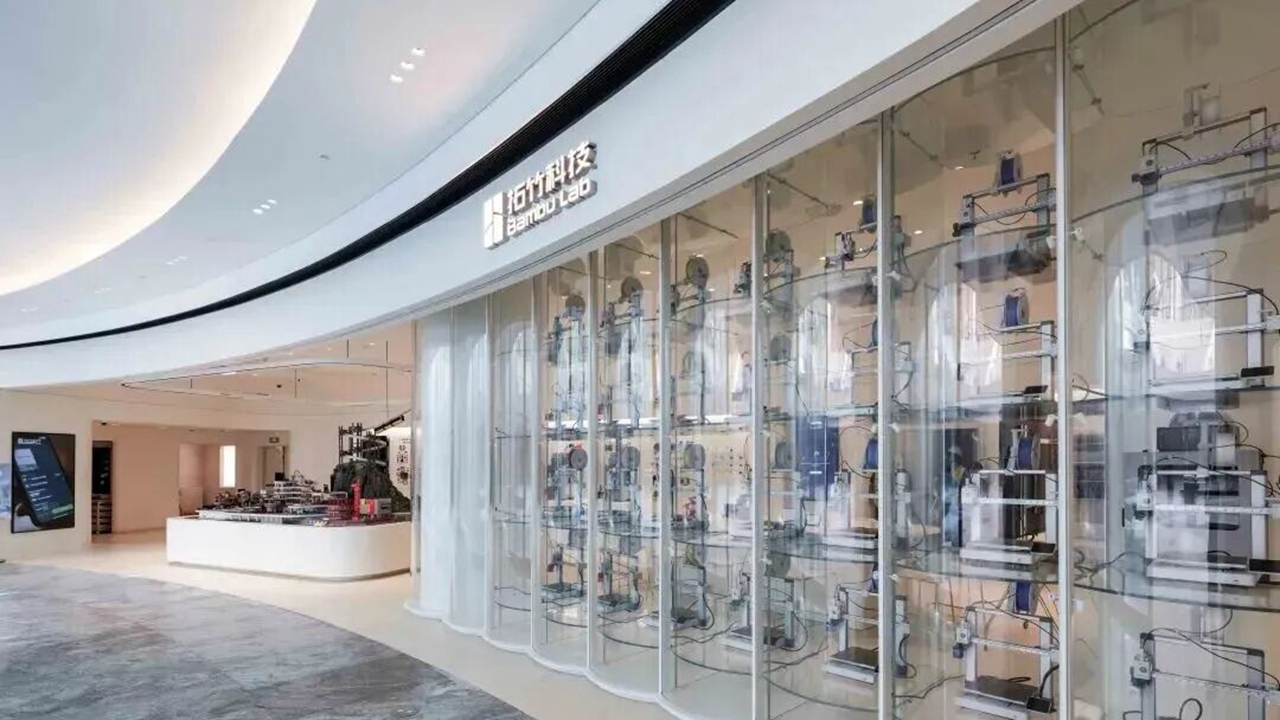
Bambu Lab is taking a major step toward building one of the world's largest 3D printer manufacturing bases. Its planned “3D Printing Intelligent Manufacturing Headquarters Base” in Shenzhen's Guangming District has moved into site-preparation and construction-access work. The complex is designed for an annual capacity of more than 3 million 3D printers and will combine manufacturing with research and development, component production and materials-related activities.