3DPS logo
3DPS Europe
Service and development
News

News / article

IP / legal news
← Back to news Back to homepage
Stratasys–Bambu Lab: $27.6 Million Jury Verdict
2026. 09. 28.
496

Stratasys–Bambu Lab: $27.6 Million Jury Verdict

4 min read

The September 17 US jury verdict concerns four patents. Final disposition and possible further remedies remain separate questions.

What happened?

A Texas jury sided with Stratasys in the first trial against Bambu Lab-related companies. The reported award for past damages is approximately $27.6 million.

What the verdict does not mean

The jury verdict is not itself an automatic sales ban and does not end all remaining proceedings.

Why it matters

The patent dispute concerns FDM features found across modern desktop printers.

Sources

Bambu Lab–Stratasys Patent Litigation – Summary

The patent dispute between Bambu Lab and Stratasys in the United States reached an important stage in September 2026. Stratasys asserted a total of ten U.S. patents across two separate litigation tracks involving Bambu Lab products.

In the first case, a federal jury in Texas found infringement of four Stratasys patents in connection with Bambu Lab's first-generation printer platforms.

1. Purge Tower / Prime Tower Technology

Patent: US 9,421,713

The patent covers an additive-manufacturing method involving multiple print heads or deposition lines and the management of material changes during printing. The process can include extruding excess material into a separate area commonly referred to as a purge tower or prime tower.

It is important to distinguish the patent claims from the general concept of a “purge tower”. The litigation concerned the specific processes defined by the patent claims.

2. Force Detection and Automatic Bed Leveling

Patents:

  • US 9,168,698
  • US 10,556,381

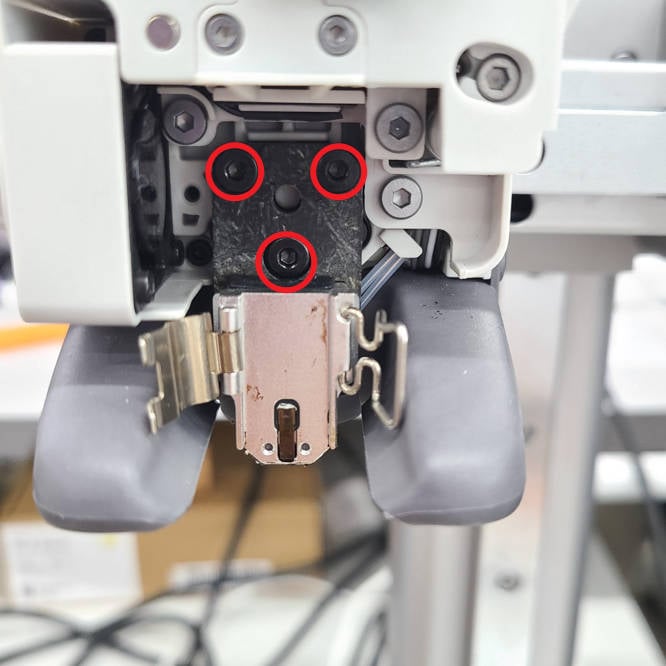
Both patents relate to force-sensing technology used during 3D printing. The technology detects physical interaction between the print head and the build platform and can be used for functions including automatic bed leveling.

The two patents were asserted separately, although they cover closely related technical areas.

3. Filling Small Gaps and Remnant Areas During Slicing

Patent: US 7,555,357

This patent primarily concerns slicing and extrusion toolpath generation. It addresses the handling of narrow remaining regions and voids within a printed layer that cannot be efficiently filled using ordinary full-width extrusion paths.

The technology therefore concerns primarily software and toolpath generation rather than a specific piece of Bambu Lab hardware.

Bambu Studio: official download page

What Happened to the Other Stratasys Patents?

The original U.S. litigation involved a total of ten asserted patents. These included technologies related to heated build platforms, networked 3D printing, camera and network functionality, tagged printing materials, and automatic printer-configuration detection.

PTAB Proceedings

Two other patents became particularly relevant in proceedings before the Patent Trial and Appeal Board (PTAB):

  • US 9,592,660 – Heated build platform and system for three-dimensional printing methods
  • US 8,562,324 – Networked three-dimensional printing

Bambu Lab challenged the validity of multiple patent claims before the PTAB. Some challenged claims were found unpatentable, while other challenged claims were maintained. It is therefore more accurate to say that Bambu Lab successfully challenged certain Stratasys patent claims, rather than stating that all related Stratasys patents were invalidated.

The Second U.S. Lawsuit

The ten patents originally asserted by Stratasys also include technologies that are separate from the four patents considered by the first jury trial.

These include, among others:

  • RFID and tagged printing materials – US 10,569,466 and US 11,167,464
  • Networked 3D printing and 3D scanning – US 8,562,324 and US 8,747,097
  • Automatic printer-configuration detection – US 11,886,774

These technologies should therefore not be confused with the four patents covered by the September 2026 jury verdict.

The September 2026 Jury Verdict

On September 18, 2026, a federal jury in Texas ruled in favor of Stratasys in the first trial and found that the Bambu Lab-related defendants infringed the four patents at issue.

The verdict resulted in approximately US$27.6 million in past damages.

The verdict does not automatically mark the end of the broader patent dispute. Further court proceedings and appellate review remain possible, and Bambu Lab has indicated that it intends to pursue the available legal remedies.

Why Does This Matter to the 3D Printing Industry?

The significance of the case extends beyond the specific dispute between the two companies. The litigation concerns technologies that appear in many modern FDM/FFF 3D printers and their associated slicing software.

Purge towers, force-based automatic bed leveling, and certain slicing algorithms may appear to users as ordinary everyday printing functions. Behind these features, however, are complex technical and patent considerations.

The further development of the Bambu Lab–Stratasys dispute could therefore be relevant not only to the two companies involved, but also to the wider 3D printing industry.
Related articles
Bambu Lab: construction advances on a planned 3-million-printer Shenzhen hub
2026. 09. 28.
625

Bambu Lab: construction advances on a planned 3-million-printer Shenzhen hub

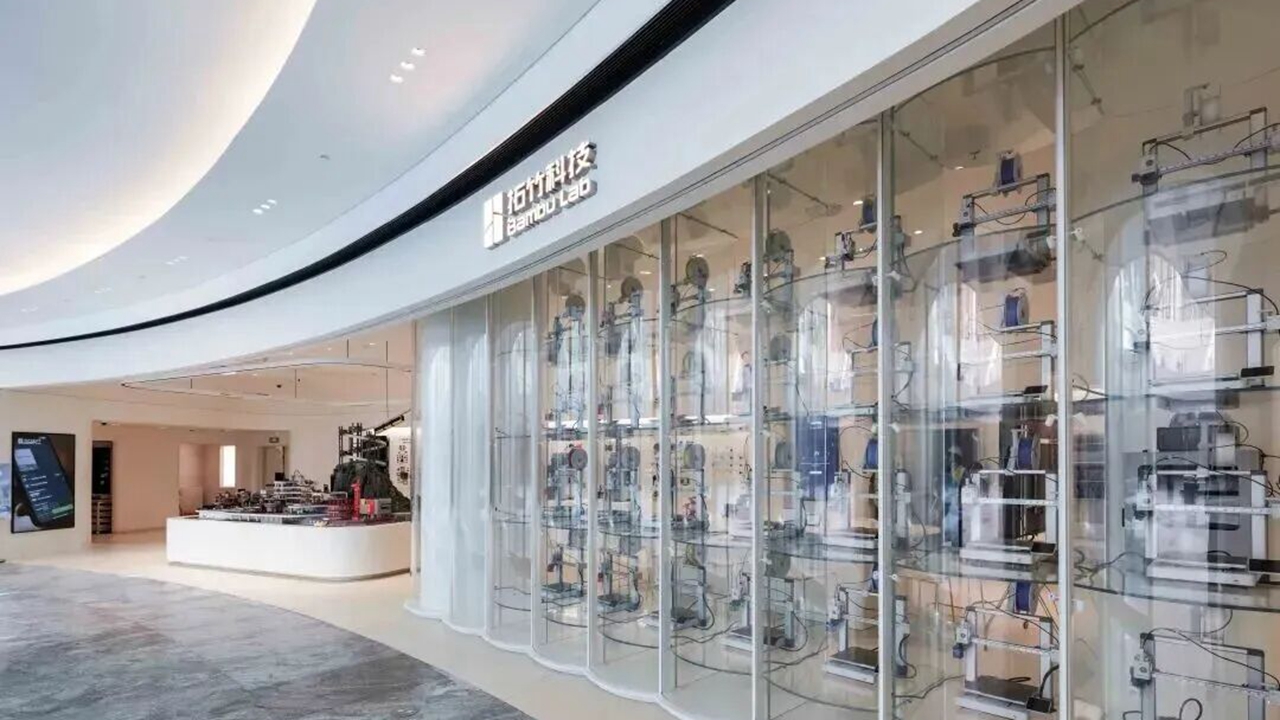
Bambu Lab is taking a major step toward building one of the world's largest 3D printer manufacturing bases. Its planned “3D Printing Intelligent Manufacturing Headquarters Base” in Shenzhen's Guangming District has moved into site-preparation and construction-access work. The complex is designed for an annual capacity of more than 3 million 3D printers and will combine manufacturing with research and development, component production and materials-related activities.

Archive

Earlier news

63 earlier article(s)
CALIBRA – A Free Measurement Equipment Management System Is Under Development
2026. 08. 11.
Technology
422

CALIBRA – A Free Measurement Equipment Management System Is Under Development

CALIBRA – A Free Measurement Equipment Management System Is Under Development A new in-house developed web application is joining the growing collection of 3DPS projects. CALIBRA is being developed as a modern, transparent and expandable measurement equipment and calibration management system. Development has progressed rapidly from the original concept to an already functioning web application, with the foundations of company management, equipment tracking, external partner management and auditing now in place.

Parkside Multi Charger: Controller Architecture for the Basic and Pro Versions
2026. 08. 04.
Technology
438

Parkside Multi Charger: Controller Architecture for the Basic and Pro Versions

Parkside Multi Charger: Controller Architecture for the Basic and Pro Versions Development of the Parkside Multi Charger has entered a new stage. During the latest planning phase, several controller and power-switching architectures were compared to find a solution that keeps the Basic version easy to build while leaving enough room for the more advanced Pro model.

Parkside Multi Charger – New Development Milestone
2026. 08. 02.
Technology
331

Parkside Multi Charger – New Development Milestone

Parkside Multi Charger – New Development Milestone Development of the Parkside Multi Charger continues to make steady progress. Recent work has focused not only on hardware and software development but also on establishing the project's public identity and communication. The project currently consists of two separate development branches: Parkside Multi Charger (Normal) and Parkside Multi Charger Pro.

Anycubic Kobra 3 toolhead – successful firmware backup and the first steps toward a CAN-based Klipper toolboard
2026. 07. 27.
New printers
260

Anycubic Kobra 3 toolhead – successful firmware backup and the first steps toward a CAN-based Klipper toolboard

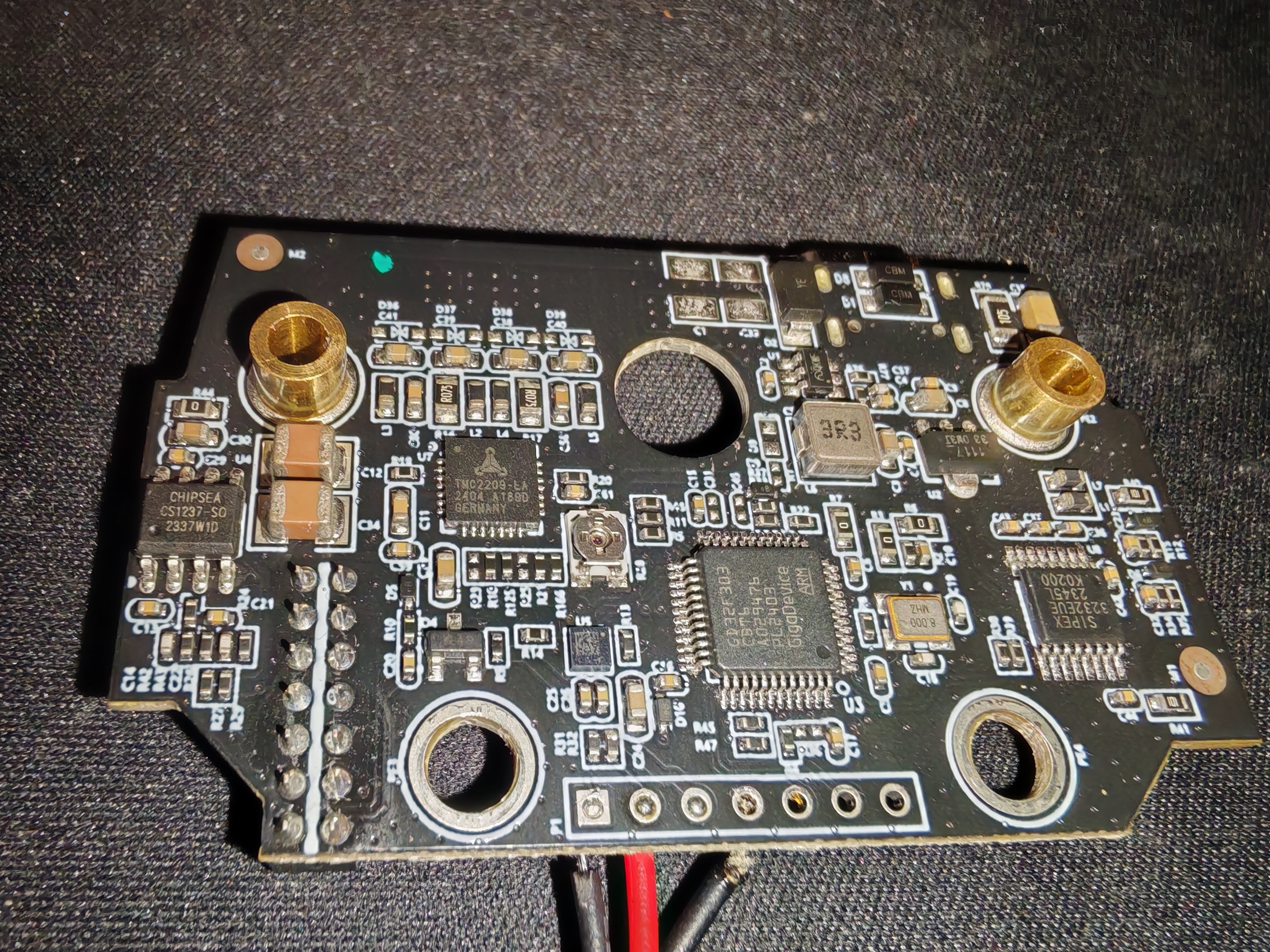
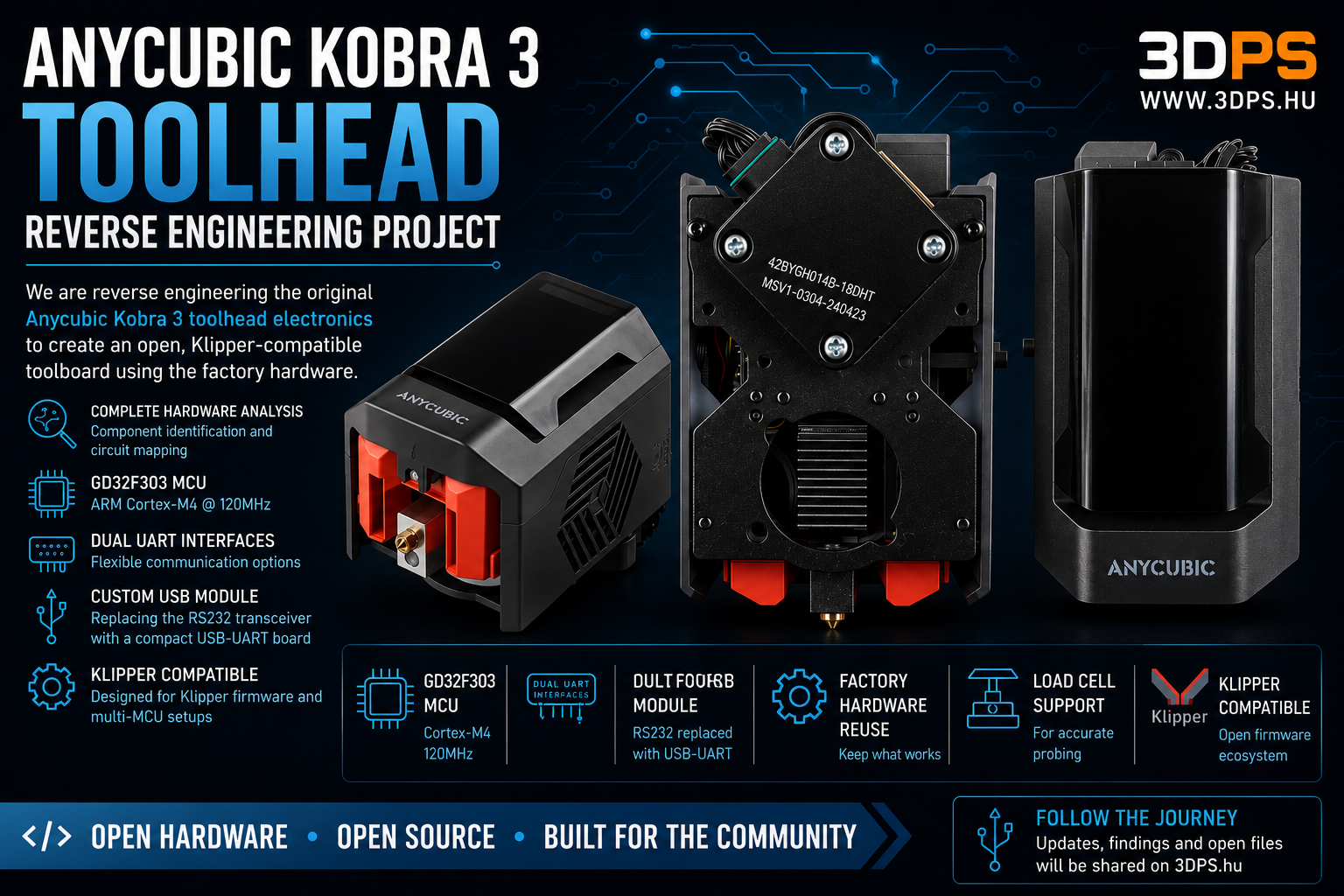
Anycubic Kobra 3 Toolhead Project – Another Milestone: Successful Firmware Backup and Preparing for a CAN-Based Toolboard Today marked another major milestone in the Anycubic Kobra 3 Toolhead project. Our objective is not to modify or preserve the original firmware. Instead, we are developing a completely custom firmware that will transform the factory controller board into a Klipper-compatible CAN Tool MCU with only minimal hardware modifications.

Another Milestone Reached in the Anycubic Kobra 3 Toolhead Project #2
2026. 07. 26.
New printers
290

Another Milestone Reached in the Anycubic Kobra 3 Toolhead Project #2

Another Milestone Reached in the Anycubic Kobra 3 Toolhead Project The Anycubic Kobra 3 Toolhead reverse engineering project has reached another important milestone. Recent work has shifted beyond simply identifying components toward building a comprehensive and structured hardware documentation system that will serve as the foundation for all future development.

Anycubic Kobra 3 Toolhead Project – First Hardware Documentation Milestone Completed
2026. 07. 26.
New printers
299

Anycubic Kobra 3 Toolhead Project – First Hardware Documentation Milestone Completed

Anycubic Kobra 3 Toolhead Project – First Hardware Documentation Milestone Completed The reverse engineering project has reached another important milestone. Our recent work has focused not only on identifying individual components but also on building a structured hardware documentation system that will serve as the foundation for mapping the entire electronics assembly.

„DO NOT TOUCH.” 😅
2026. 05. 12.
Technology
313

„DO NOT TOUCH.” 😅

There’s that legendary sticker on every engineering project that says: “DO NOT TOUCH.” 😅 But seriously… then HOW are we supposed to take it apart?!

Bambu Lab A1 and A1 Mini – Factory First Layer Issues
2026. 05. 12.
New printers
363

Bambu Lab A1 and A1 Mini – Factory First Layer Issues

Bambu Lab A1 and A1 Mini – Factory First Layer Issues Several users of the Bambu Lab A1 and Bambu Lab A1 Mini printers have reported strange first layer issues that at first seem like slicer or filament problems, but are often actually caused by mechanical issues.