Another Milestone Reached in the Anycubic Kobra 3 Toolhead Project #2
2 min read
Another Milestone Reached in the Anycubic Kobra 3 Toolhead Project
The Anycubic Kobra 3 Toolhead reverse engineering project has reached another important milestone. Recent work has shifted beyond simply identifying components toward building a comprehensive and structured hardware documentation system that will serve as the foundation for all future development.
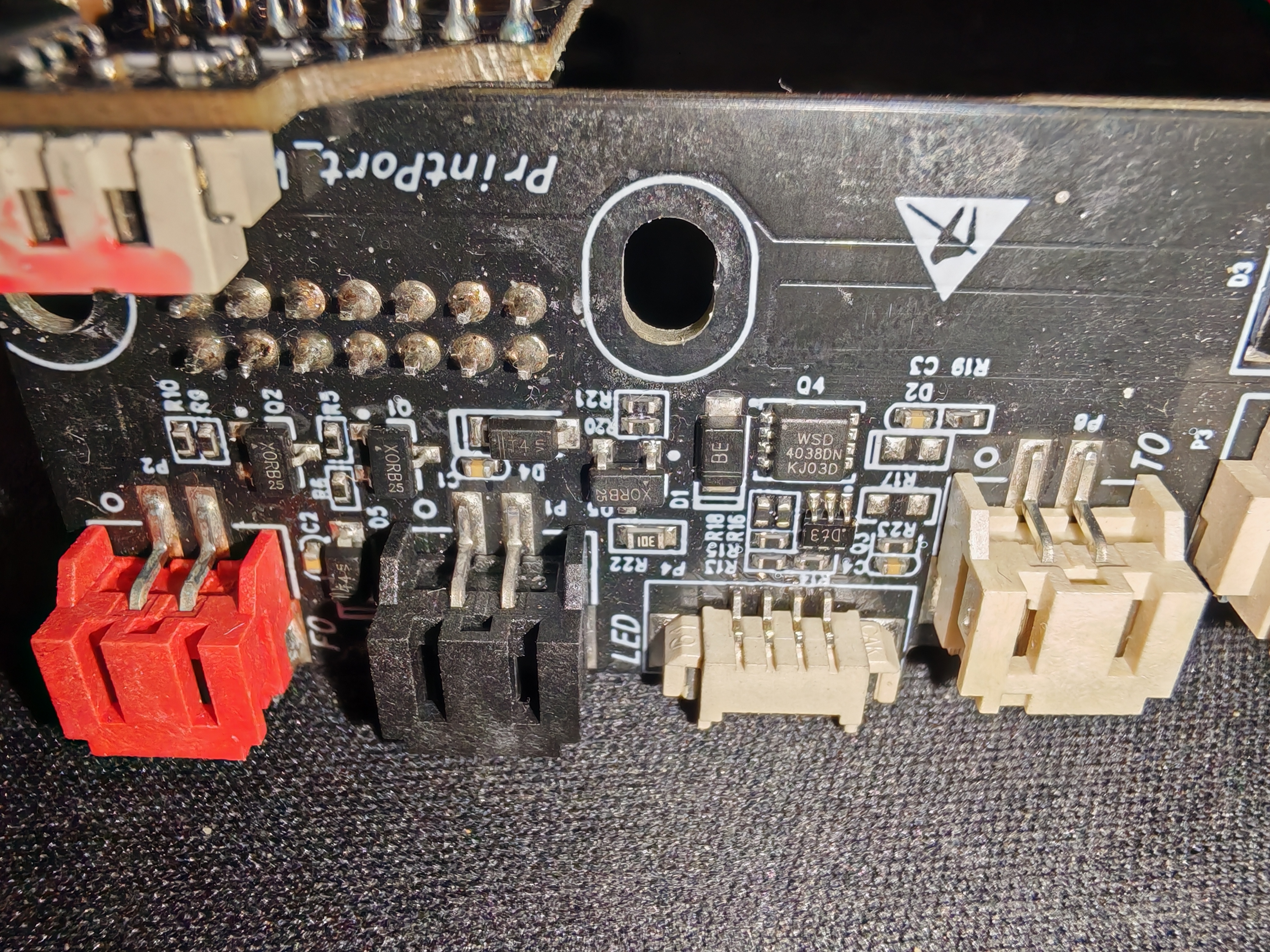
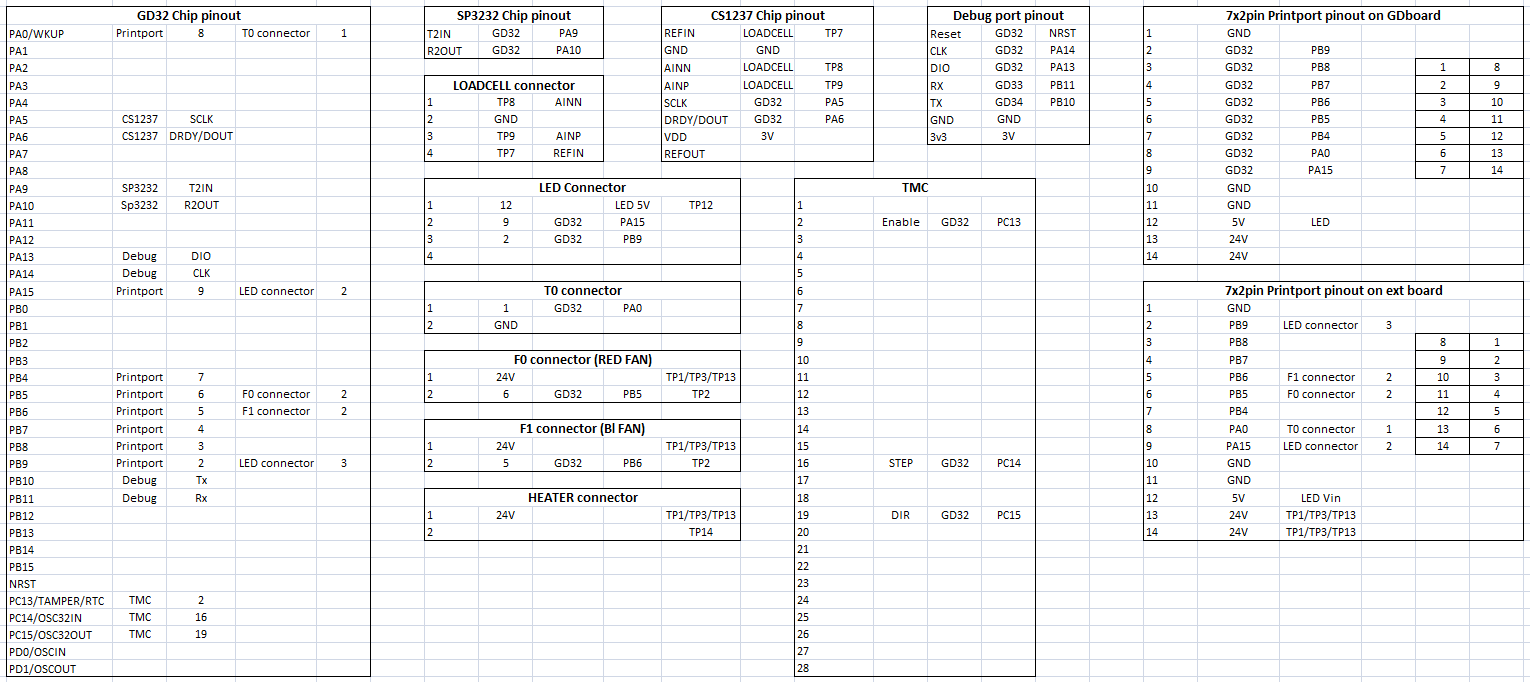
The project continues to focus on the GD32F303CBT6 microcontroller, around which the first complete hardware relationship database has now been established. Rather than being just a traditional pinout, the documentation has evolved into a continuously expanding hardware map linking MCU pins with peripherals, connectors, and test points across the entire toolhead PCB.
Progress so far
The TTL-side connections of the SP3232 RS232 transceiver have now been fully verified, along with the complete SWD debugging interface and the debug UART. This provides a reliable foundation for future firmware development and debugging.
Significant progress has also been made in documenting the CS1237 high-resolution ADC used for the toolhead load cell. Measurements have confirmed the communication lines between the GD32 MCU and the CS1237, while the load cell connector and its reference and measurement points have also been mapped.
The documentation of the 14-pin Print Port connecting the mainboard and the toolhead has been greatly expanded. In addition to the previously identified power rails, several signal lines have now been traced directly to the microcontroller, providing valuable insight into the internal communication architecture.
Work has also begun on documenting the TMC2209 stepper motor driver, fan control circuits, heater output, and LED control system.
A new documentation approach
From this point forward, the project is based on a structured hardware database. Every new measurement is recorded in a consistent format, including:
GD32 MCU pin assignments
Peripheral connections
Connector pinouts
Test points
Power distribution
Communication interfaces
This methodology ensures that the documentation remains expandable, verifiable, and easy for other developers to understand and contribute to.
What's next?
The next development phase will focus on identifying every remaining signal on the Print Port, completing the documentation of the TMC2209 driver, and fully mapping the fan, heater, and LED control circuitry.
The long-term objective remains unchanged: to completely document the original Anycubic Kobra 3 Toolhead electronics and develop an open, Klipper-compatible firmware that allows the factory PCB to operate as a fully independent toolboard.
Mosaic’s new Orion system continuously manufactures custom foot orthotics, running different patient jobs one after another without conventional manual batching.
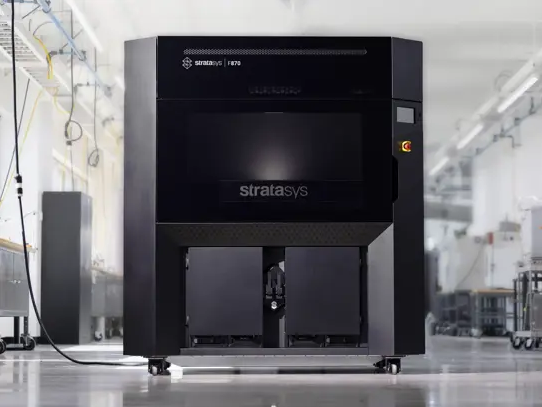
Stratasys’ new F870 combines a 1000 × 610 × 610 mm heated build chamber, Nylon 12CF support and a focus on production tooling, fixtures and factory aids.
Suzhou-based Nuosibeirui, owner of the KEXCELLED brand, has closed a new funding round while expanding industrial filaments, photopolymer resins and custom material development.
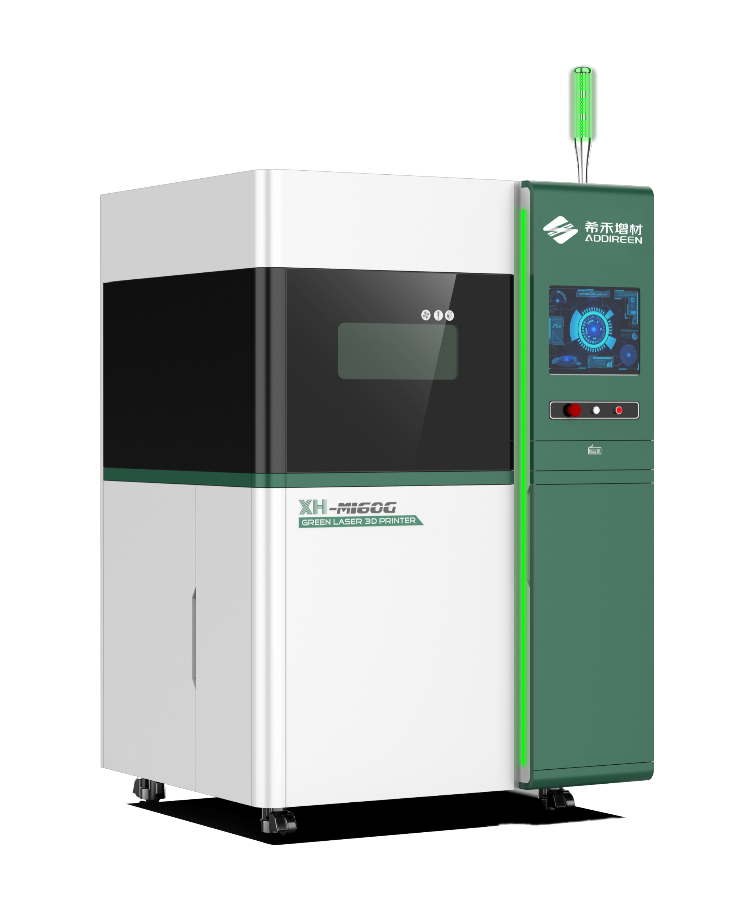
With its new XH-M350G-2HR, Xihe Additive is moving beyond demonstrations: copper cooling components for AI servers and power electronics are entering batch-production applications.
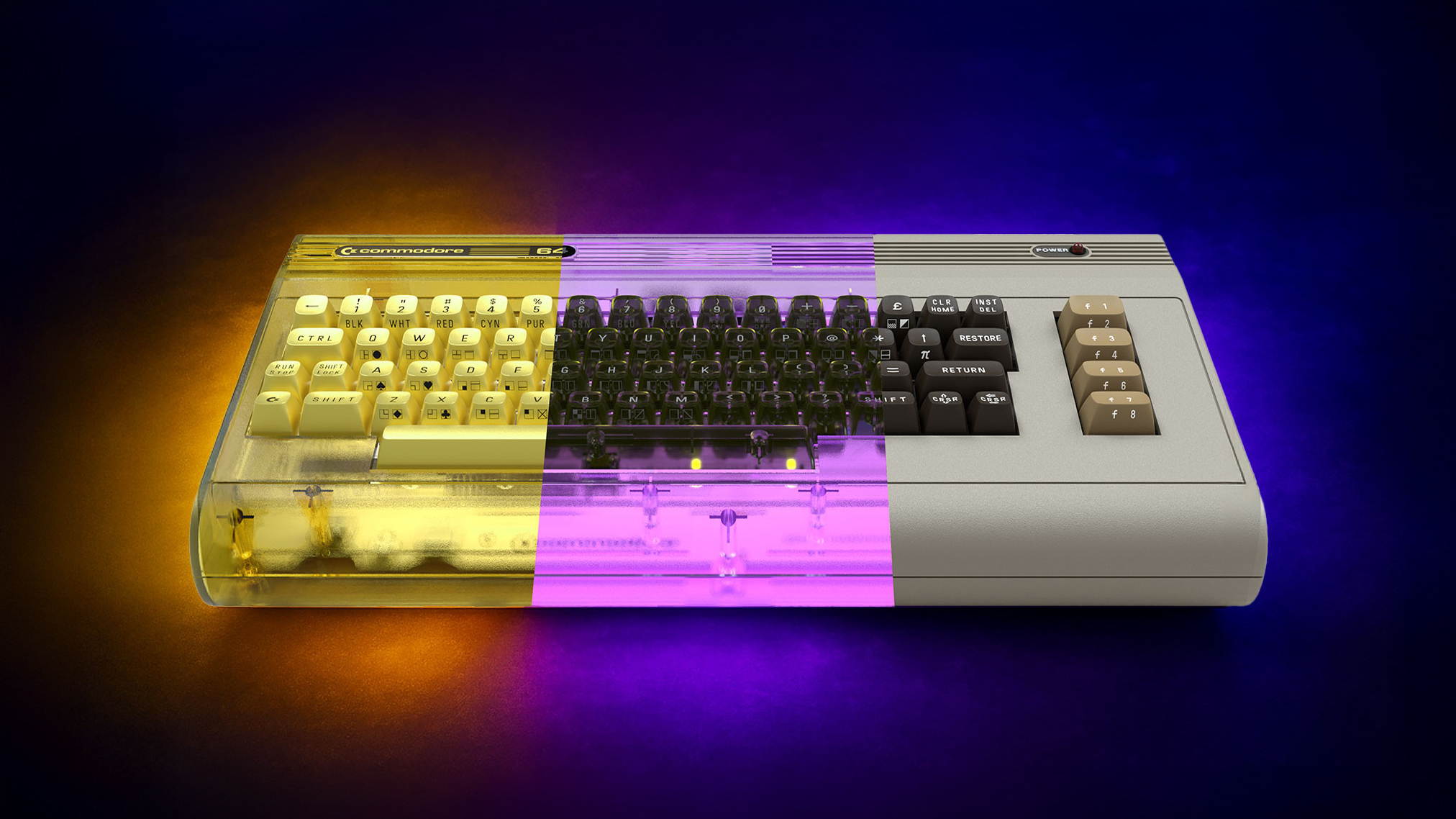
Commodore.net has officially relaunched its legendary home computer as the Commodore 64 Ultimate, rebuilding the classic machine on modern FPGA hardware. We cover it here as a curiosity: it has no direct 3D printing angle, since the case is produced with classic injection molding using the original 1986 tooling, not 3D printing.
Lawrence Livermore National Laboratory is using camera-based AI inspection to analyze direct ink writing layer by layer and detect defects during the build.